How do you revive a historic brand while respecting its emotional value? I built an omni-channel brand from 0 followers, designing official insignia, launching web ecosystems, and engineering a community-led governance strategy that scaled to 140,000+ followers.
Impact at a Glance:
- Audience Zero-to-One: Established a digital footprint entirely from scratch, scaling from 0 to 140,000+.
- Workforce Alignment: Aligned a force of 11,000–14,000 distributed personnel under a single cohesive brand.
- Social License and Community: Worked with the communities and people affected by the change, rather than directing from the top.
Press coverage: Military.com | Popular Mechanics
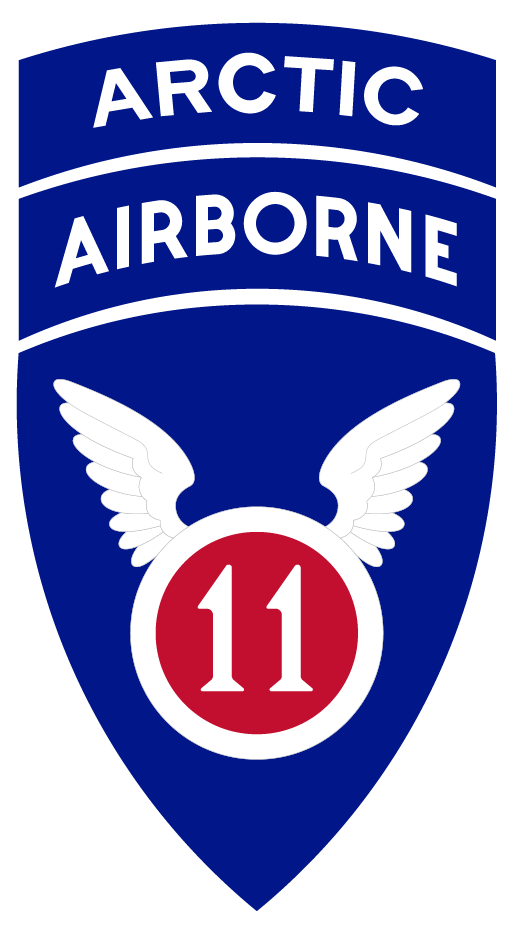
Original artwork
This is part of the original artwork which I created for the launch of the 11th Airborne brand. It was designed according to the specifications of The Institute of Heraldry, within their design system.
Benjamin Wilson
Rebranding an active organization is complex; resurrecting a historic brand with ties to World War II is an exercise in community building and diplomacy. The 11th Airborne Division had a proud heritage in the Pacific Theater, but zero modern footprint. My tasks were:
- First, I needed to build a complete digital and physical brand identity from the ground up—including official insignia, visual design systems, web properties, and communication channels.
- Second, I had to introduce this identity to an internal workforce of 11,000-14,000 people in Alaska, while simultaneously managing the needs of external historical communities who viewed the historic brand as theirs.
Rather than pushing a top-down rollout that could alienate established communities, I kicked off a community-first alignment strategy. Not exactly grassroots, but establishing social license with the people.
The strategy:
1. Generating Community Ownership:
I actively engaged with online historical groups and legacy communities early in the design cycle, which worked well in later stages, as they became my biggest allies. By treating them as key stakeholders and integrating their feedback into the visual storytelling, we transformed potential gatekeepers into brand ambassadors.
2. Internal Cultural Alignment:
To create the new identity in the hearts and minds of 14,000 distributed team members across Alaska, I developed an internal communications architecture consisting of social messaging, print collaterals, short-form videos, targeted messaging, and executive communications to really cement the new brand voice.
After getting buy-in from the community, I designed the division’s new look and feel; artwork, social media, website, mobile, and public launches.
3. Visual and design assets:
I dusted off my art school degree and created a lot of design artifacts; the new insignia, posters, videos, lower-thirds, and some very Army-specific things like beret tabs, flashes, and distinctive unit insignia.
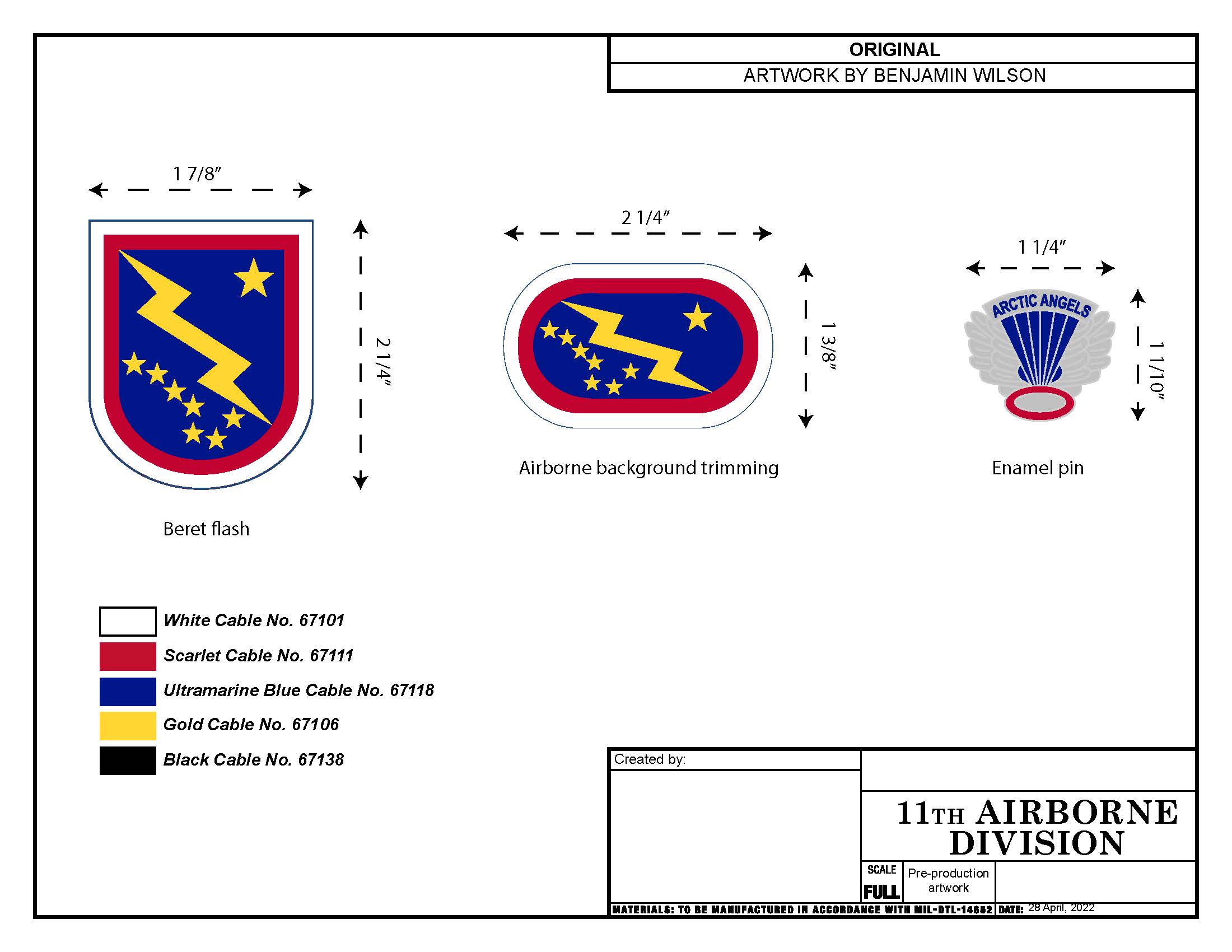
Original artwork
This is part of the original artwork which I created for the launch of the 11th Airborne brand.
Benjamin Wilson
4. Information Architecture & UX:
I built the division’s entire digital presence from a baseline of zero followers. This involved creating new social media accounts, designing a fresh web layout, executing exhaustive user research, wireframing new information architectures, and conducting strict accessibility audits to pass 508 and WCAG AA+.
5. The Launch Blueprint:
I directed a series of televised launch ceremonies, managed media and legislative escorts for VIP stakeholders, and created and launched a dedicated podcast series to deepen engagement. The podcast was pretty fun; bringing in subject matter experts to talk about things they’re passionate about, finding time for senior leadership to bring a friendly (or severe, as the case may be) face to their leadership style, and conversing about the things that matter.
It was a series of exercises in how to get thousands of geographically separate people from all walks of life aligned under one brand, and it worked. The metrics are good, the communities are aligned, and no one talks about the old brand any more. That’s what you want from a rebrand, after all; complete buy-in and a 100% replacement in your segment of mind-share, with no hard feelings.